Contact Us
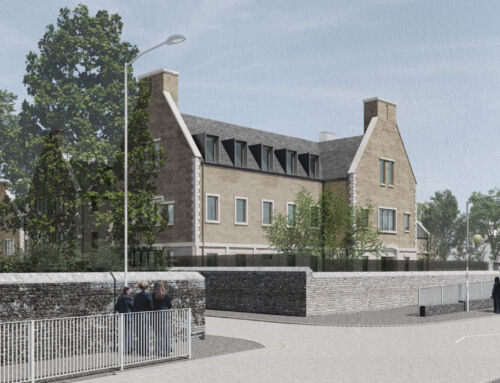
Listed Building Consent has been granted for the refurbishment of the University of Huddersfield’s Ramsden Building. Leeds-based architectural firm GSSArchitecture, have been selected to lead the design and planning efforts for this project, which marks an exciting step forward in the preservation and sustainable use of this beautiful, historic site.
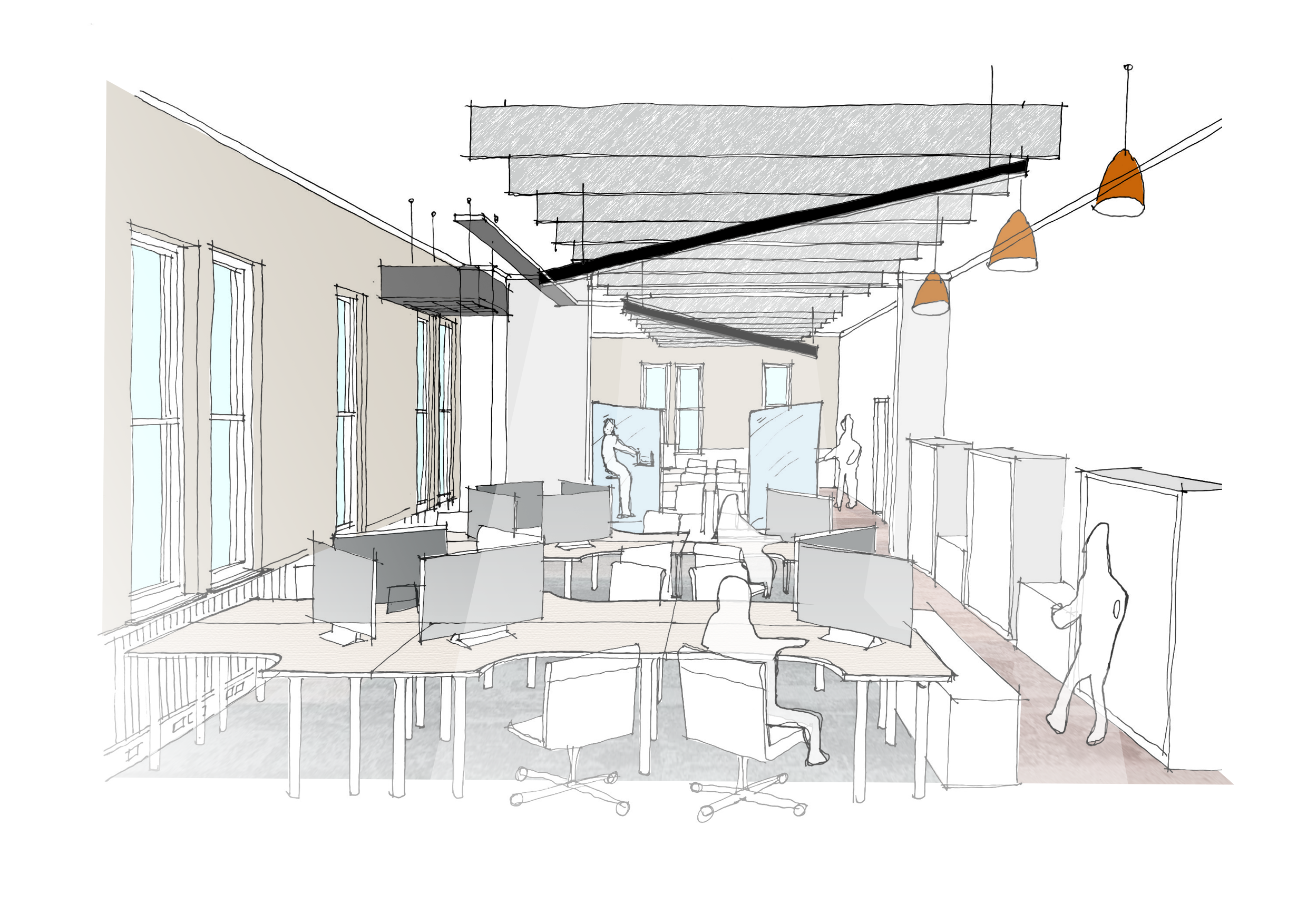
The Grade 2 Listed Building, sited within the Huddersfield Town Centre Conservation Area, will undergo significant refurbishment works to accommodate three new stakeholder groups: International Study Centre, International Office, and The Graduate School. The project seeks to revitalise existing infrastructure, so will oversee the full strip out and replacement of aged electrical and mechanical systems and the installation of new air source heat pumps, which provide heating to the building. This will form part of the University’s drive towards decarbonisation of their estate, creating a Net Zero in operation building.
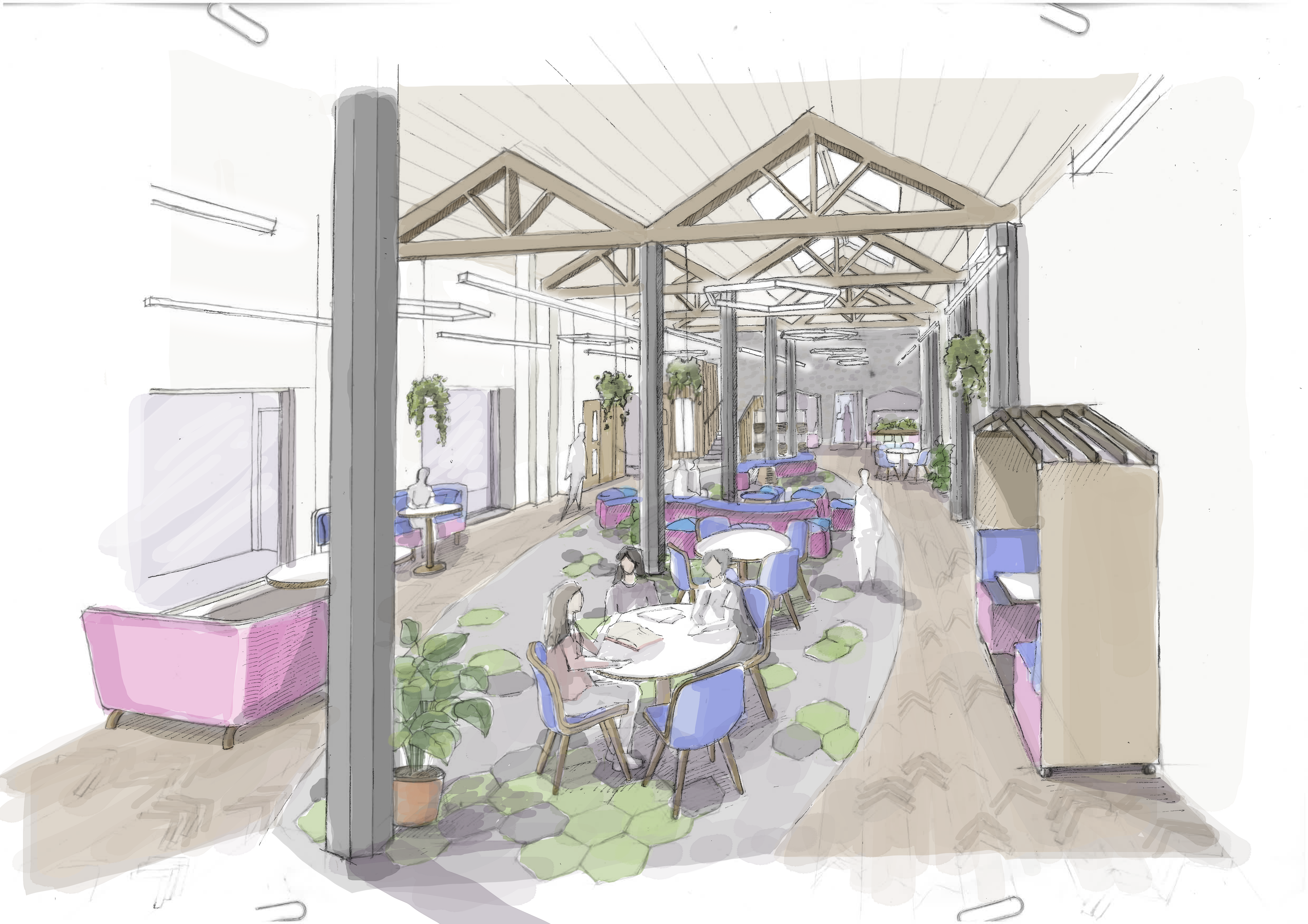
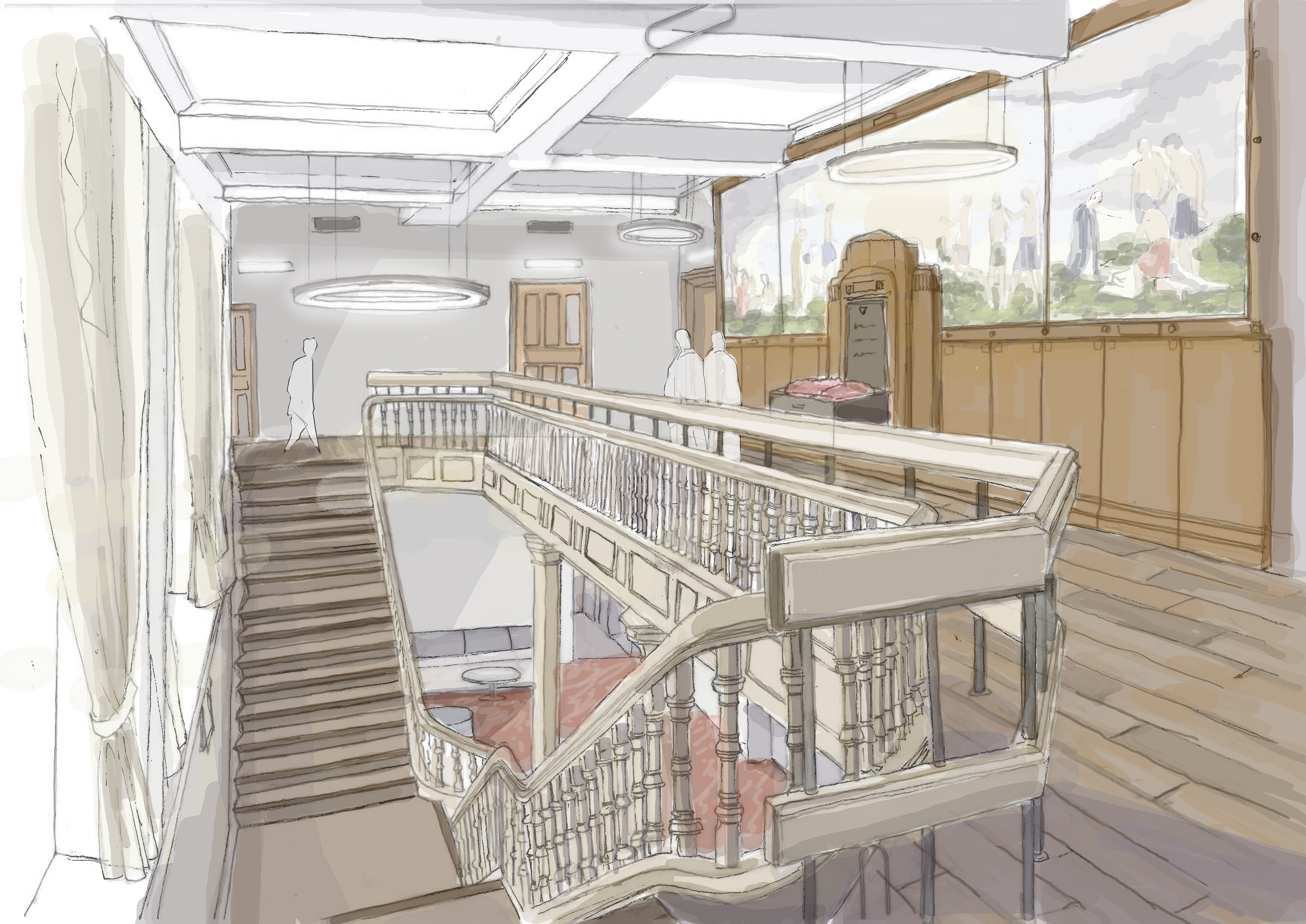
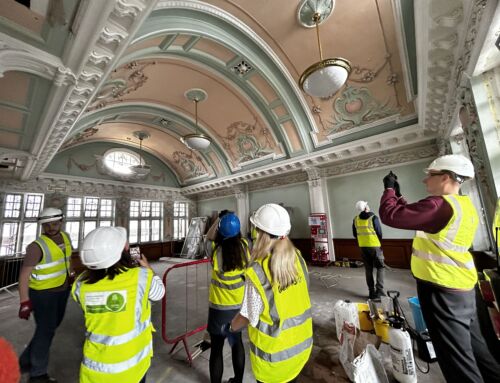
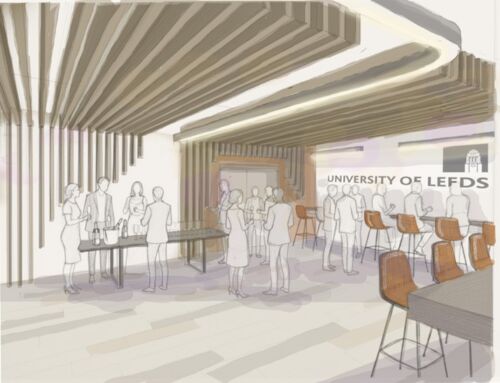
The designs are sympathetic to the building’s heritage, seeking to reveal and appreciate those elements of the historic fabric that have survived later use and refurbishment of the building. Plans therefore include the removal of suspended ceilings to reveal original ceiling features and the uncovering of carpets to showcase the hardwood timber floors in corridors and classrooms and a marble or stone effect floor in the entrance hall. Proposed internal arrangements include the dismantling of the later addition third wall to the front of the building to create double height event space for the University, which will display the large stained-glass windows. Former windows into the central ‘courtyard’ will be reopened, the original roof structure revealed, and new roof lights installed to bring natural light into the space.

Alex Proctor, Senior Associate at GSS has said, “We’re delighted to see the refurbishment of the Ramsden Building progressing, a project that showcases our team’s expertise in higher education and conservation. Our team at GSSArchitecture has worked incredibly hard to produce a thoughtful and sympathetic design, and we are excited to be delivering a scheme that not only preserves the historic character of this iconic building but also supports the University of Huddersfield’s commitment to decarbonisation and sustainability.
This project holds particular significance for me personally, as the University of Huddersfield is where I completed my architectural studies. It’s a privilege to contribute to the transformation of such a historic building at an institution that has played a key role in shaping my career.
I’d like to thank our talented colleagues at GSSArchitecture, as well as the wider design team—Curtins, Buro Happold, and Gardiner & Theobald—for their outstanding contributions. We are also immensely grateful to the University of Huddersfield for their trust and collaboration, which has been instrumental in bringing this vision to life.”
The building itself has a rich history. Having first been opened by the Huddersfield Technical School and Mechanics’ Institute in 1883, the institute later merged with the Huddersfield Female Educational Institute, which was regarded as being one of the first institutes to provide evening classes for girls and young women. The original design for the building included workshops and laboratories equipped for practical instruction in cloth manufacture, dyeing and chemistry. Physics, maths, mechanics, and other sciences as well as art, languages and commerce were also taught. However, over the past 140 years the courses offered to students have changed dramatically, resulting in repeated reorganisation of spaces inside the Ramsden building.
“It’s very exciting to see this important project begin to transform the sustainability of one of the University’s oldest and most important buildings,” said Professor Tim Thornton, Deputy Vice-Chancellor at the University of Huddersfield.
“The work will allow for further development of the University’s work with international students, who add so much to the vibrancy and diversity of the campus, and to our support for the large community of postgraduate researchers, further strengthening our innovation agenda.”
This project is one of many undertaken in collaboration with the University of Huddersfield, as GSSArchitecture is one of only four architectural practices appointed to their framework. They are also currently overseeing a campus landscaping scheme and a summer refurbishment project.