Contact Us
Museums today face a transformative series of modern challenges. They must continue to safeguard priceless collections while meeting ambitious carbon-reduction targets, absorbing the rising cost of storing and protecting artefacts, and maintaining financial viability in an increasingly digital and competitive cultural landscape.
As the demands of sustainability, inclusivity and digital transformation reshape the sector, architects have a vital role to play in helping museums evolve; rethinking how buildings perform environmentally, economically, and socially. This article explores how the environmental management of collections, heritage decarbonisation, and operational sustainability can together define the next generation of Net Zero Museums.
Environmental Management of Collections
The traditional approach to museum environmental control has centred on close regulation of temperature and humidity, maintaining near-constant internal conditions to protect sensitive materials from decay. The change from PAS198 to EN16893:2018 acknowledged that rapid fluctuations are more damaging than slow changes and reinforced risk-based thinking; avoiding damaging fluctuations, and balancing collection risk against energy demand, rather than prescribing a single ‘one-size-fits-all’ temperature.
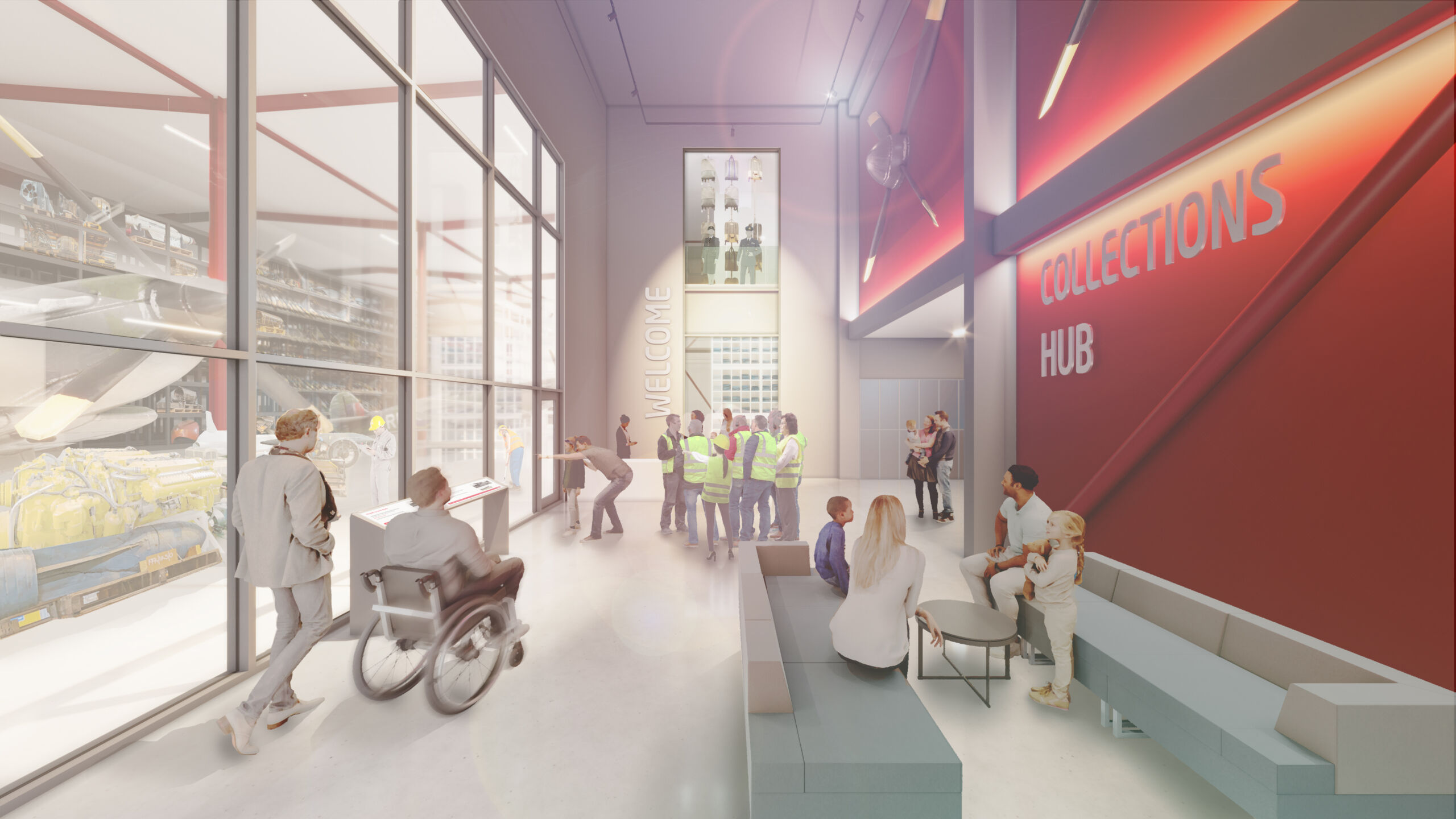
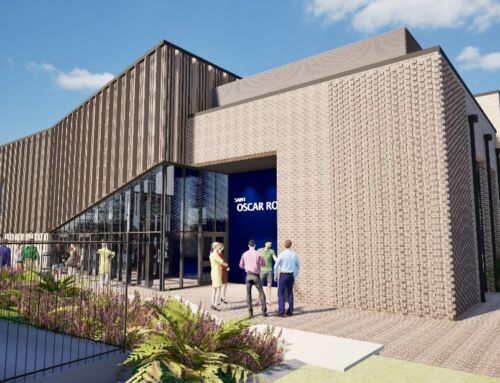
Imagery of Collections Hub at RAF Museum Midlands Development Programme
Guidance from the Institute of Conservation (ICON) reinforces the important shift in thinking. ICON’s Guidance Note on Environmental Management for Collections and Climate Sustainability encourages museums to move away from narrow “close-control” systems that consume large amounts of energy, and instead provide conditions which mirror the historic conditions the materials have been kept in for decades, and often centuries.
Environmental Management of Collections
The traditional approach to museum environmental control has centred on close regulation of temperature and humidity, maintaining near-constant internal conditions to protect sensitive materials from decay. The change from PAS198 to EN16893:2018 acknowledged that rapid fluctuations are more damaging than slow changes and reinforced risk-based thinking; avoiding damaging fluctuations, and balancing collection risk against energy demand, rather than prescribing a single ‘one-size-fits-all’ temperature.
Imagery of Collections Hub at RAF Museum Midlands Development Programme
Guidance from the Institute of Conservation (ICON) reinforces the important shift in thinking. ICON’s Guidance Note on Environmental Management for Collections and Climate Sustainability encourages museums to move away from narrow “close-control” systems that consume large amounts of energy, and instead provide conditions which mirror the historic conditions the materials have been kept in for decades, and often centuries. We can use the inherent thermal properties of buildings such as thermal mass and low U-values to moderate these conditions naturally. The aim is to allow gradual seasonal variation while preventing sudden fluctuations that cause stress to collections.
We can use the inherent thermal properties of buildings such as thermal mass and low U-values to moderate these conditions naturally. The aim is to allow gradual seasonal variation while preventing sudden fluctuations that cause stress to collections.
This guidance recommends a consistent relative humidity of around 35% to 65% as the key to preserving collections which can be achieved by allowing winter temperatures to drop and naturally reduce humidity.
We can use the inherent thermal properties of buildings such as thermal mass and low U-values to moderate these conditions naturally. The aim is to allow gradual seasonal variation while preventing sudden fluctuations that cause stress to collections.
This guidance recommends a consistent relative humidity of around 35% to 65% as the key to preserving collections which can be achieved by allowing winter temperatures to drop and naturally reduce humidity.
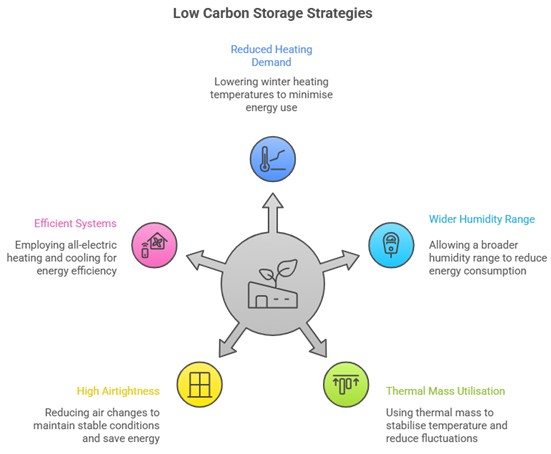
This approach is exemplified at the proposed new Collections Hub at the RAF Museum Midlands, where GSSArchitecture’s design will accommodate more than 55,000 objects relocated from off-site storage. Rather than relying on energy-intensive close conditioning, the Large Object storage space will use a reinforced concrete slab to provide thermal mass, combined with low U-values and air-tightness. A high-velocity air system will provide air movement and background heating to prevent temperatures dropping below 10°C. The design takes advantage of the building envelope’s stability, balancing passive control with selective mechanical systems. The result is a robust, low-energy environment that protects artefacts while drastically reducing operational emissions.
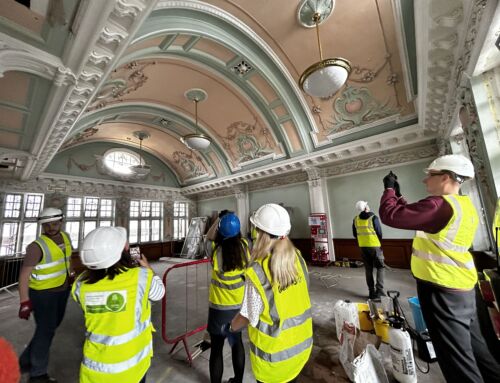
Monitoring can also be a valuable tool to reduce operational costs. When creating a new gallery within an early-19th-century former gaol we worked with MEP designers and used the inherent de-humidification properties of standard DX air-conditioning units combined with long-term data monitoring. This allowed the museum to host visiting national exhibitions without the carbon intensity of traditional HVAC systems.
As these passive design ideas gain traction, projects such as these show how architects can align collection care with climate responsibility embracing the building’s fabric as a key part of collections care solution.
Decarbonising Heritage
Reducing the embodied carbon of new museum developments begins with a simple principle: reuse what already exists. Re-using and adapting heritage buildings avoids the huge carbon cost of demolition and new construction, but introduces the complexities of balancing energy performance upgrades with the preservation of historic fabric.
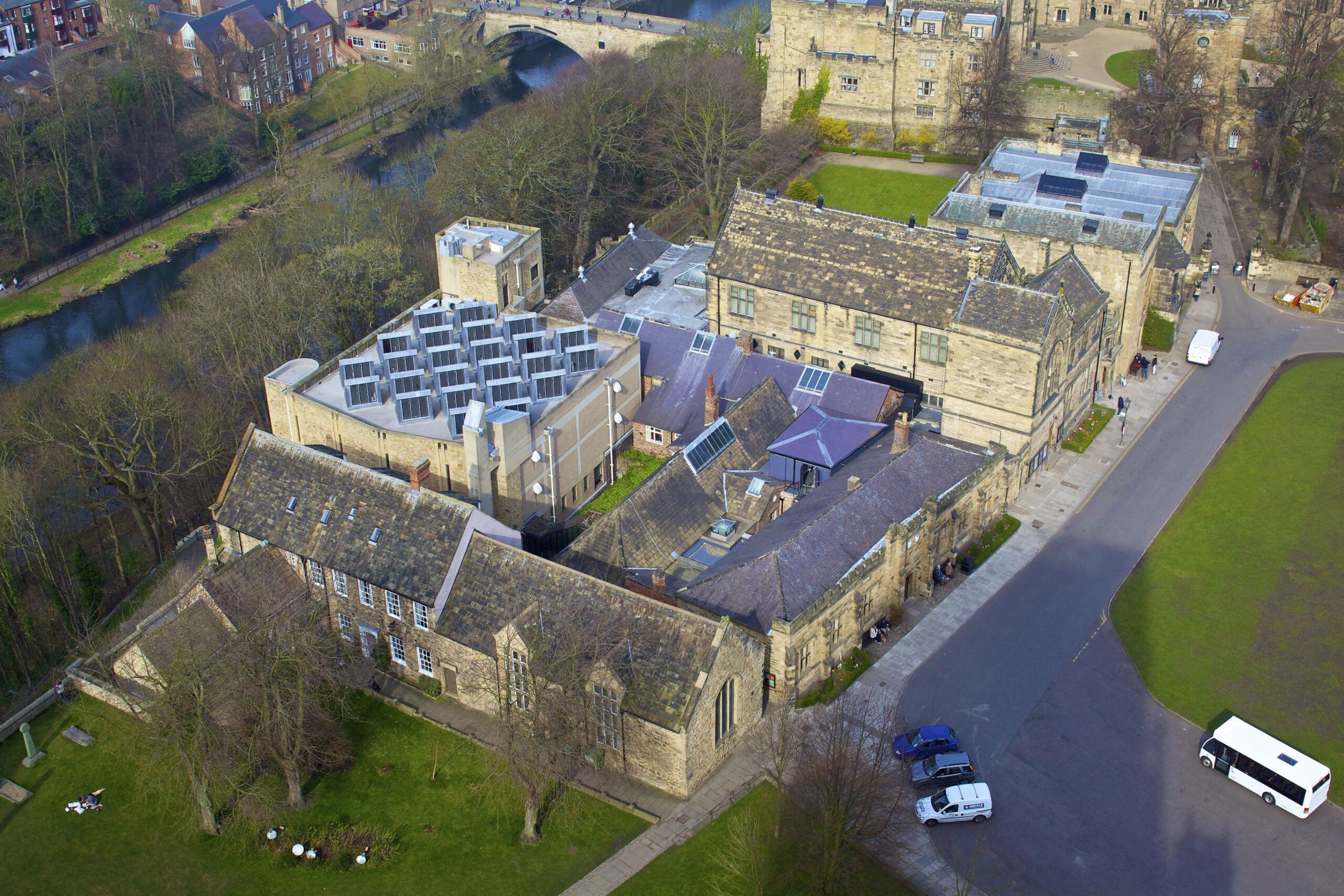
Durham University’s Palace Green Library Complex
At Durham University’s Palace Green Library Complex, GSSArchitecture managed over a decade of phased restoration across Grade II and II* listed buildings within a UNESCO World Heritage Site. Each intervention was tailored to improve building performance without compromising authenticity: locally sourced and reclaimed materials, upgraded roof insulation, and LED lighting were integrated discreetly to protect the buildings’ character while extending their life cycle. This type of incremental upgrade embodies the essence of decarbonising heritage by using maintenance and conservation works to embed long-term sustainability.
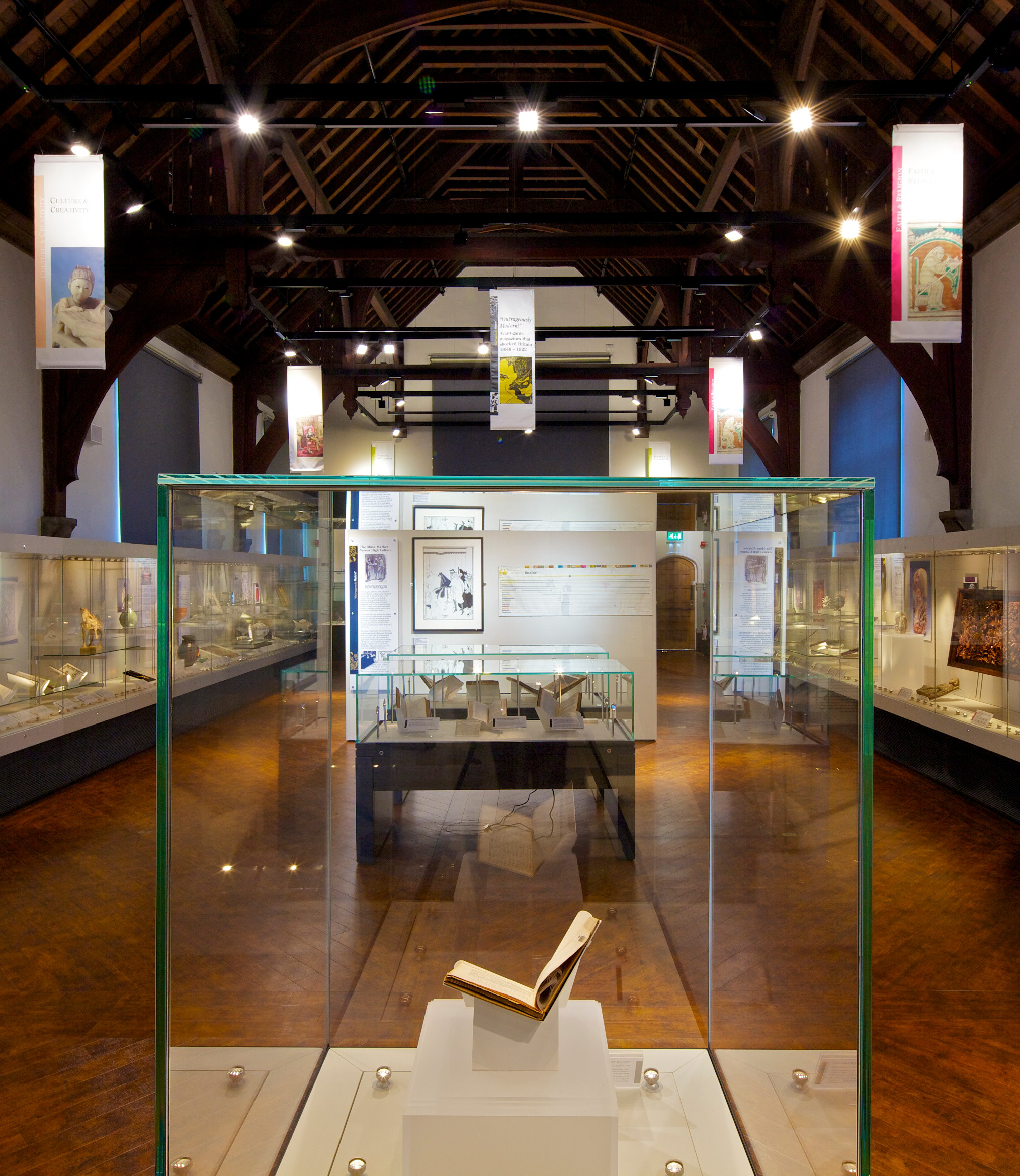
Wolfson Gallery, Palace Green Library
The challenge, however, lies in improving thermal performance where adding insulation may affect significance. Internal wall linings can trap moisture; external insulation alters façades. Architects must use creative interventions for instance, integrating insulation behind wall-mounted displays, or using new exhibition fit-outs to conceal thermal upgrades.
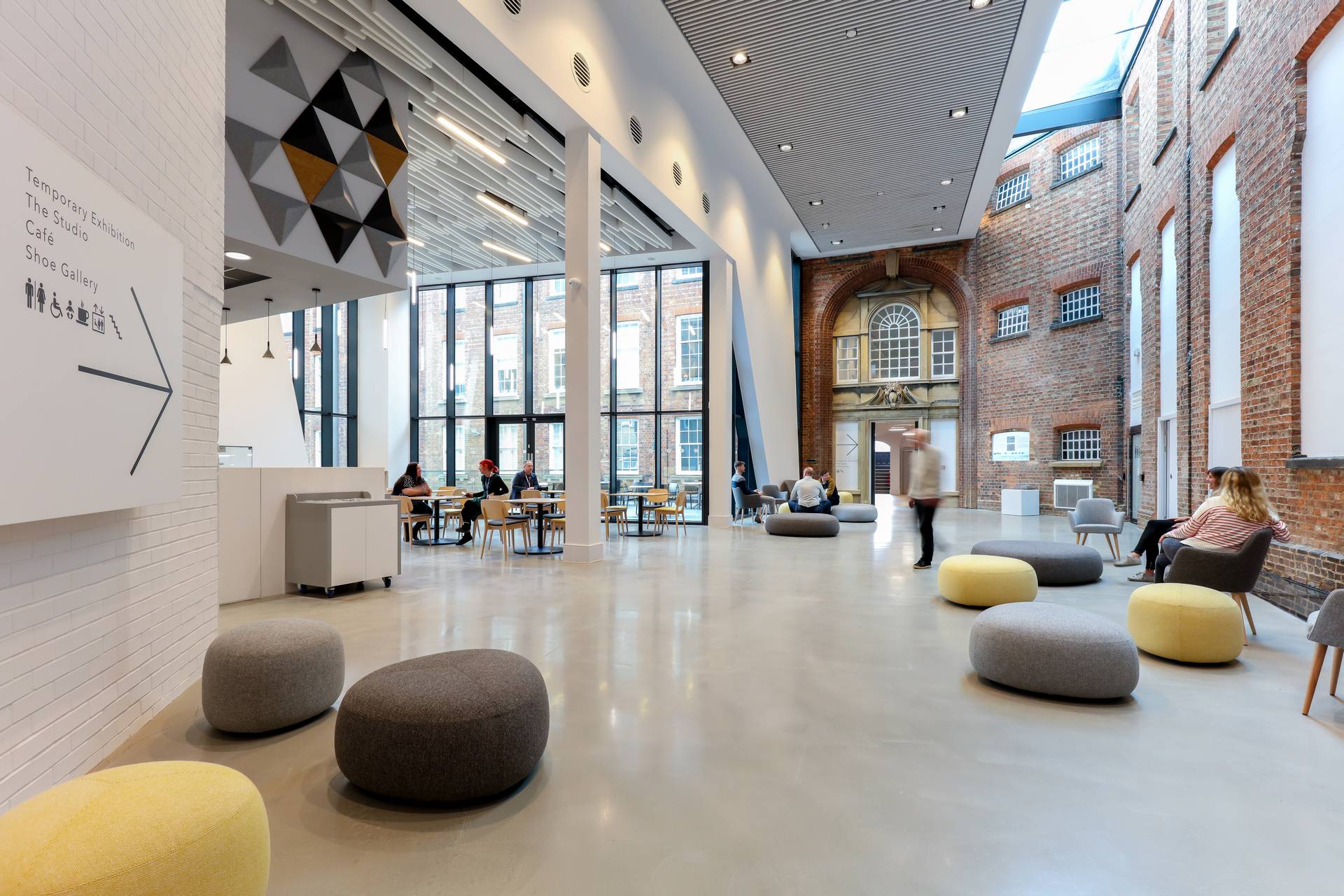
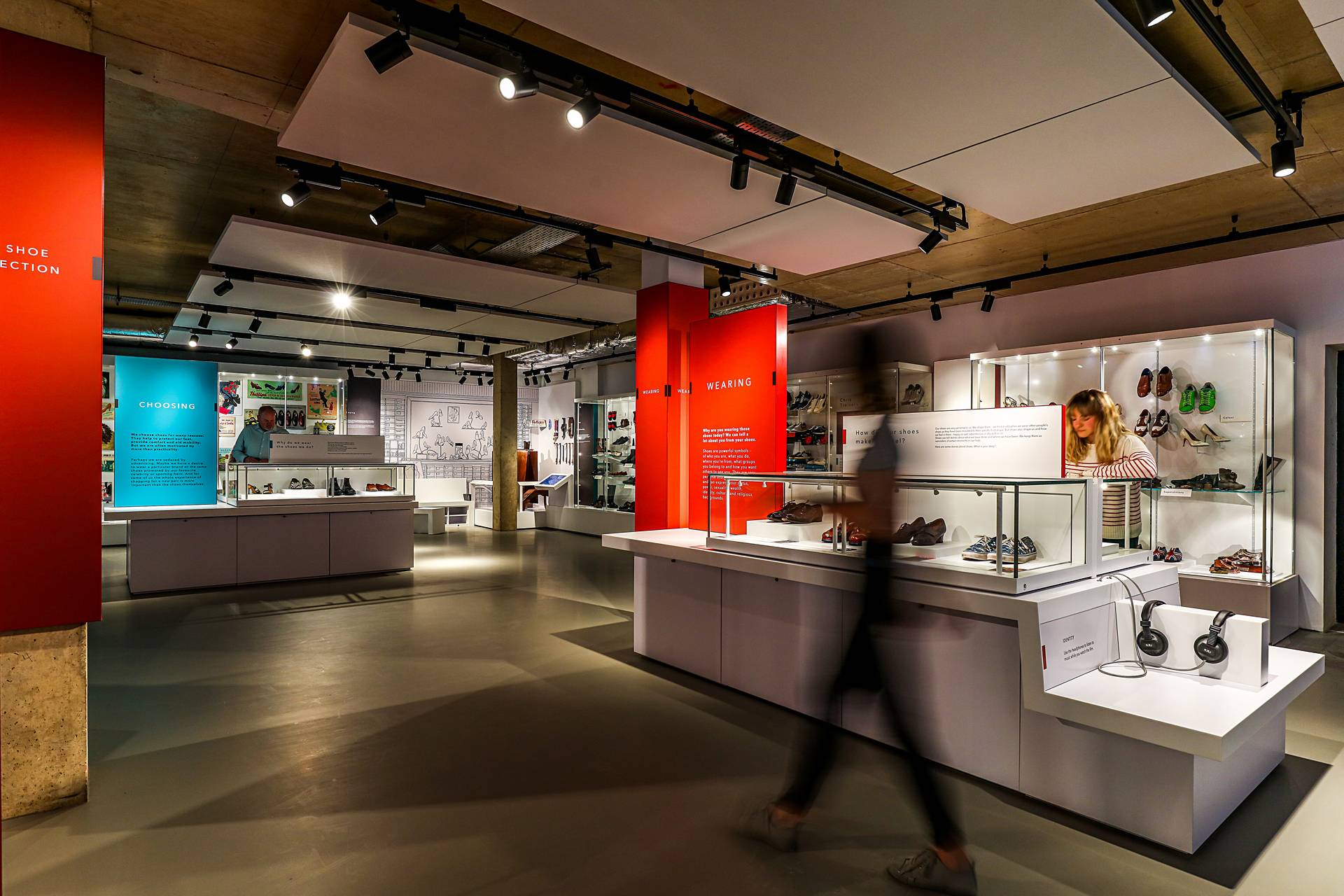
New extensions also offer opportunities to internalise historic fabric, shielding older envelopes within thermally stable new structures. This principle, famously used in the British Museum’s Great Court enclosure, was utilised by GSSArchitecture at Northampton Museum and Art Gallery, where a contemporary courtyard extension links the former gaol buildings. The new envelope provides both circulation and an environmental buffer, allowing the heritage rooms to breathe while the modern insertion achieves high-performance standards with 5% variation in RH and 3% in temperature to the new shoe gallery.
In essence, decarbonising heritage is about using sensitive, well-judged design to extend the life of historic buildings, reduce their environmental impact, and ensure they continue to serve future generations with purpose and integrity
Operational Sustainability
Even the most energy-efficient museum must remain financially viable to survive. In the UK, most council-run museums are non-statutory services, meaning they compete for limited local-authority funding and must justify their value through visitor numbers, education impact and community reach.
A significant shift in the funding landscape was announced in January 2026, when the Government committed £1.5 billion of capital investment across the cultural sector over the next five years. This includes £760 million for museums through infrastructure funding, the Museum Estates and Development Fund and a new Museum Transformation Programme. The funding is specifically targeted at addressing maintenance backlogs, improving estate performance and supporting more sustainable operating models.
This investment creates a timely opportunity for museums to align estate renewal with Net Zero ambitions. Projects that improve environmental performance, reduce operational costs and enhance community value are increasingly well positioned to secure support. For many organisations, decarbonisation is no longer simply a compliance requirement; it is becoming a key enabler of future funding, resilience and long-term sustainability.
A museum’s economic sustainability often depends on its ability to generate income while serving as a driver of local regeneration. At GSSArchitecture, we see operational sustainability as inseparable from design: creating flexible, income-generating spaces that support both cultural programming and commercial events.
At Northampton Museum and Art Gallery, run by West Northamptonshire Council as a free-to-enter museum, this principle was fundamental. The redevelopment introduced a new shop, selling gallery, café and a ticketed temporary exhibition space to support revenue streams. Crucially, the design also transformed a disused central area into the Central Hall, a dramatic, double-height space, connected to the new atrium and used for exhibitions, but equally for private hire, dance classes and supper clubs. This blend of cultural and commercial use ensures the building contributes to its own upkeep while invigorating the city’s evening economy.
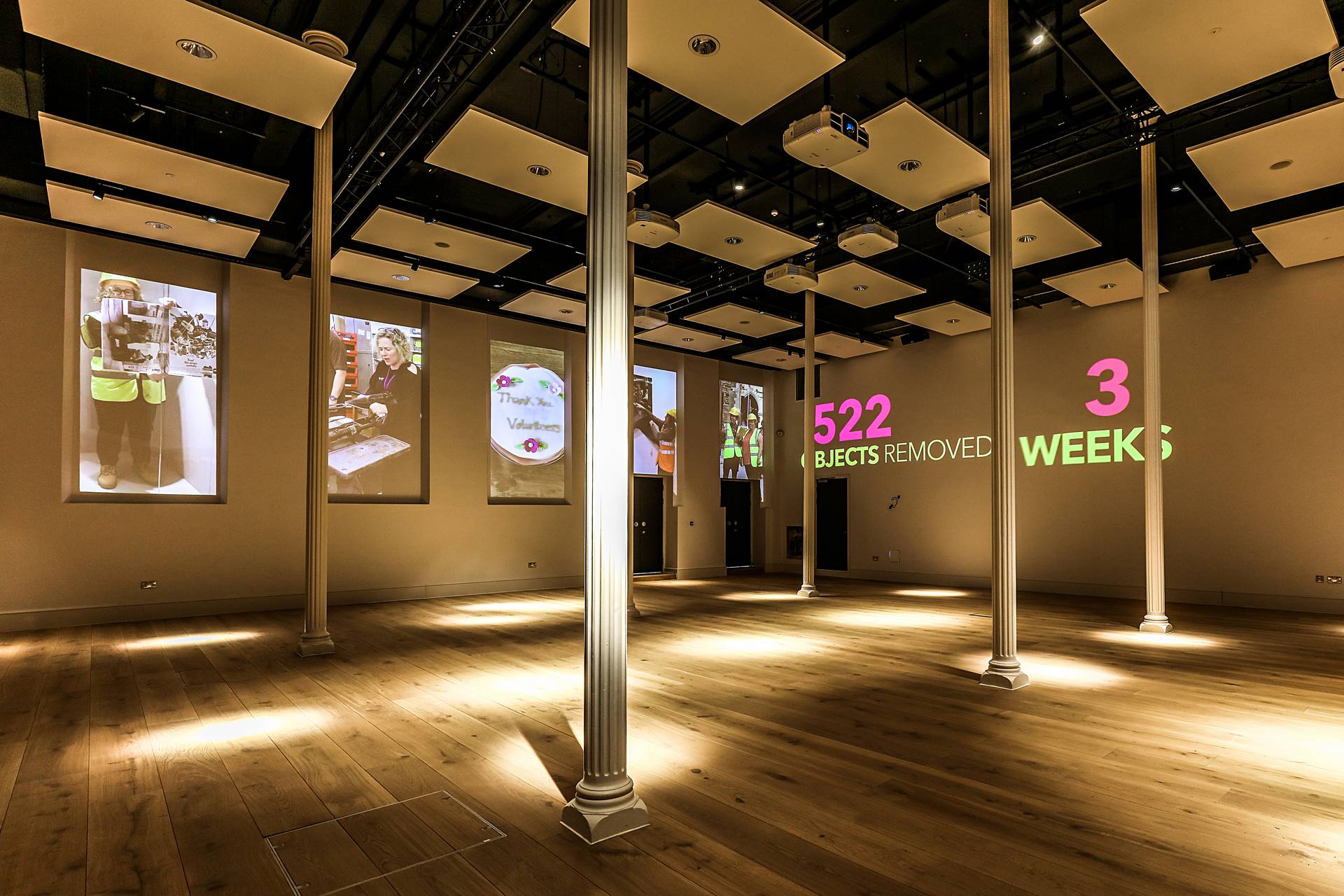
Operational sustainability also underpins the RAF Museum Midlands Development Programme, where the decarbonised Hangar 1 will not only tell the story of the RAF from the Falklands to the future, but also function as a learning centre and corporate-hire venue, expanding revenue potential. Integrating flexible, rentable spaces within museum planning provides resilience, allowing cultural institutions to thrive despite fluctuating public funding.
Ultimately, operational sustainability ensures that museums can balance cultural purpose with economic resilience; creating vibrant, self-supporting institutions that not only preserve heritage, but actively sustain their own future.
Conclusion
The growing recognition of museums as vital civic and cultural infrastructure presents a positive backdrop for the sector’s transition towards Net Zero. Investment in estate improvements, collection facilities and visitor infrastructure offers an opportunity not only to address maintenance and operational challenges, but also to create buildings that are more sustainable, adaptable and resilient. By combining conservation expertise with a long-term approach to environmental performance, museums can continue to serve their communities while reducing their impact on the planet.
As museums navigate the twin pressures of climate responsibility and economic uncertainty, architecture can create a bridge between heritage and modernity. The shift towards Net Zero Museums is not about radical new technologies alone, it is about re-evaluating how buildings breathe, perform and serve their communities.
Achieving sustainability in the museum sector requires a holistic view of buildings, systems and conditions. By harnessing thermal mass and passive design, re-using heritage fabric, and creating flexible, income-generating spaces, architects can help museums remain both guardians of the past and pioneers of a low-carbon future.
We’d be happy to discuss how our expertise can support your organisation with any new build, estate improvement, decarbonisation and conservation projects. Please get in touch at studio@gssarchitecture.com.
Tom Jagger is a Partner at GSSArchitecture, leading on cultural and heritage projects across the UK. For more information about the GSSArchitecture and our Arts and Culture Experience see our brochure: