Contact Us
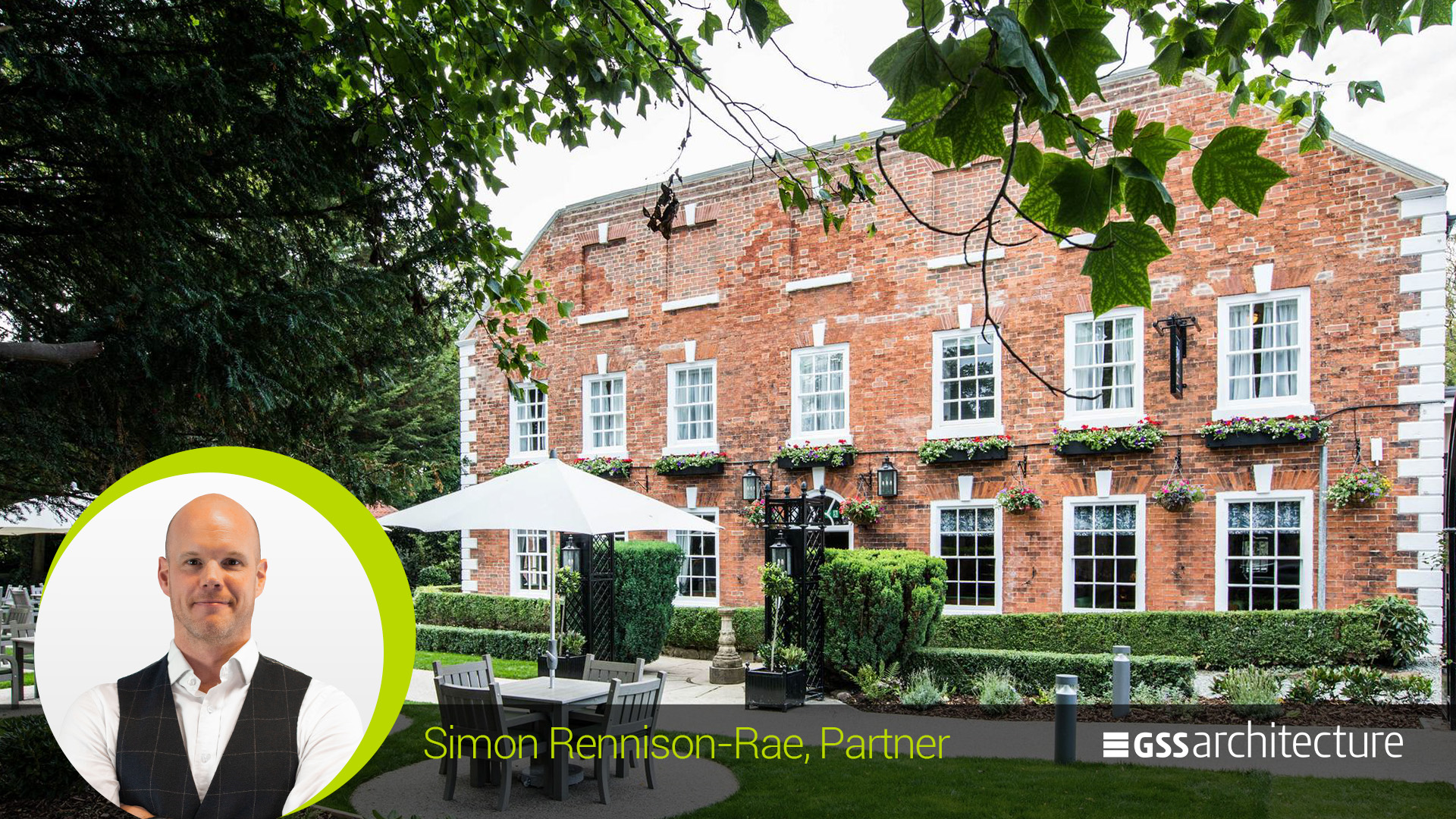
The UK hotel sector has witnessed a remarkable resurgence in investment over the past few years, with record-breaking transaction volumes in 2024.
Whilst the data suggests a continued investment in the sector and that investment remains strong, new-build projects face increasing financial, planning and viability constraints, for some operators therefore turning their attention to refurbishment and repositioning as a way to stay in demand and profitable.
At GSSArchitecture, we have built a strong portfolio of hotel refurbishments and reconfigurations and understand they are more than just aesthetic upgrades; they require a strategic approach that balances guest experience, operational efficiency, and return on investment (ROI).
Our experience in delivering high-quality refurbishments across the UK puts us in a strong position to advise hoteliers on how to maximize the potential of their assets as well as how to structure a project to deliver smooth and efficient construction.
Understanding the Key Drivers of Hotel Refurbishments
The motivation behind a refurbishment project varies from property to property. Some hotels require modernisation to remain competitive, whilst others may be as part of acquisitions to appeal to a new demographic.
At GSS we work with our clients to get under the skin of both, the importance of briefing correctly to understand who the target audience is, what will make a site distinctive and how we can help to mitigate and manage costs. Having successfully delivered projects in National Parks, Conservation Areas and on Listed Buildings we understand a fully developed brief is essential to steer the project through all stages.
Increasingly, sustainability, wellness, and technological integration are driving design decisions. Understanding these key drivers is essential for a successful refurbishment strategy.

- Competitive Differentiation – With guest expectations evolving, hotels must stand out through unique design, enhanced amenities, and seamless customer experiences. Design-led refurbishments can help hoteliers differentiate their offerings, particularly in saturated markets. A solid identity can be key here, is it a Boutique offering, Wellness retreat or a Pub with rooms concept?
- Business Planning – When we work with a new operator or an existing client we’re keen to understand the price point and envisaged guest experience. We also need to understand the competition (in the area any nationally). This data is crucial to our briefing process. How can we assist with the most efficient use of space, servicing and ensuring the back of house functions effectively whilst giving a design for different hotel grades and standards. The star classification of hotels has also been blurred in recent years. From online reviews, official hotel ratings to just the wild and the whacky unique experience offerings. There is less attention to a classification. This gives operators the option to target a more varied or bespoke audience….if the design is right.
- Revenue Growth and ROI – Smart refurbishments can lead to increased room rates and occupancy levels. Strategic design decisions—such as optimizing room layouts, enhancing F&B areas, and creating multipurpose spaces—can drive long-term revenue growth. Taking away or future proofing areas traditionally associated with hotels such as meeting rooms or private hire spaces has been key to some clients success at maximizing return on covers in a restaurant or pints at the pump.
- Minimising Operational Disruption – One of the biggest challenges in hotel refurbishment is ensuring minimal disruption to guests and revenue streams. A phased approach, clear contractor coordination, and precise project planning are critical to maintaining business continuity or the minimise shutdowns. We have seen how this is crucial, what to do to keep projects moving and to promote the right team to deliver rather than just the bottom line cost. A hotel needs to be snagged and delivered so that income comes back into a site as soon as possible.
- Sustainability and Cost Efficiency – Sustainability is no longer just an industry buzzword; it is a crucial consideration in hospitality design. Energy-efficient lighting, smart climate control, and sustainable low carbon materials not only appeal to eco-conscious guests but also contribute to long-term cost savings for the operator, particularly relevant for GSS’s clients with large portfolios of sites. We are seeing the adoption of clients exploring Passivhaus standards as well as looking to Net Zero adoption, both of which our practice has expertise in and need to be embed from the outset of a project.
Sean Donkin, Group C.E.O of leading pubs with rooms operator, The Inn Collection Group, has vast experience of delivering refurbishments and has worked closely with the GSS team on 16 projects to date. Speaking on what stands out to him as key considerations for delivering these challenging projects, Sean said, “
Selecting the correct project team has been crucial in our ability to deliver multiple projects simultaneously. Ensuring each consultant has sufficient bandwidth within their organisation whilst retaining alignment with the project intent means that each company needs to spend time immersed with our own in-house property and operations team. It may sound simple but getting to grips with our operating model and its requirements are essential if we are to deliver projects on cost that can deliver our initial ROI expectations. Essentially, we select people we know we can trust to deliver on our behalf.”
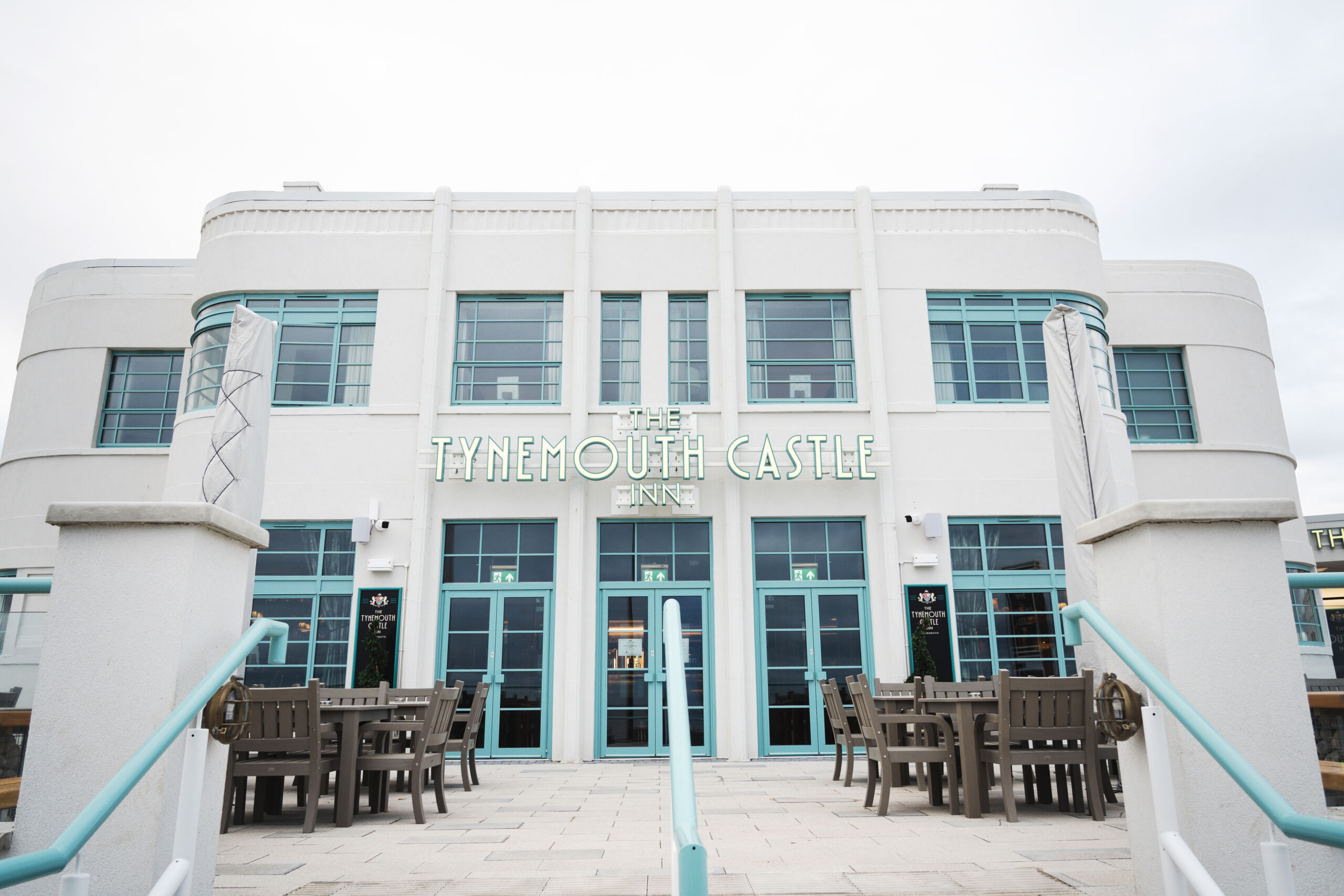
Leading hospitality and leisure operator, Kymel , are working with GSS currently on a luxury refurbishment and food and beverage scheme. Chief Executive Officer, Kyle Mackings, commented,
“As part of the briefing process, Kymel collaborated with GSS to ensure the whole team understood and developed a detailed knowledge of the price point, what makes Kymel’s offering unique, and crucially, how to operate the back of house areas efficiently so that we can drive our return on investment and the sustainability of the business. It’s crucial that every pound spent equals a positive benefit to the customer.
“In relation to food establishments, we have seen that if you provide top quality surroundings and product, customers are happy to pay a premium. The draw of a high-quality experience still outweighs the convenience and often lower cost of takeaways which is extremely positive for the sector.”
Conclusion: The GSSArchitecture Advantage
At GSSArchitecture, we pride ourselves on delivering intelligent, guest-focused, and commercially viable hotel refurbishments. With our deep understanding of hotel operations, brand requirements, and the importance of seamless project execution, we help clients unlock the full potential of their properties.
As the UK hotel sector continues to evolve, refurbishment will remain a key strategy for owners looking to stay competitive and maximize their assets. By balancing aesthetics, function, and ROI, we ensure that every project we undertake delivers long-term value for our clients.
With our in-house conservation, Net Zero and retrofit experience we’d love to discuss how our expertise can help you achieve your goals.
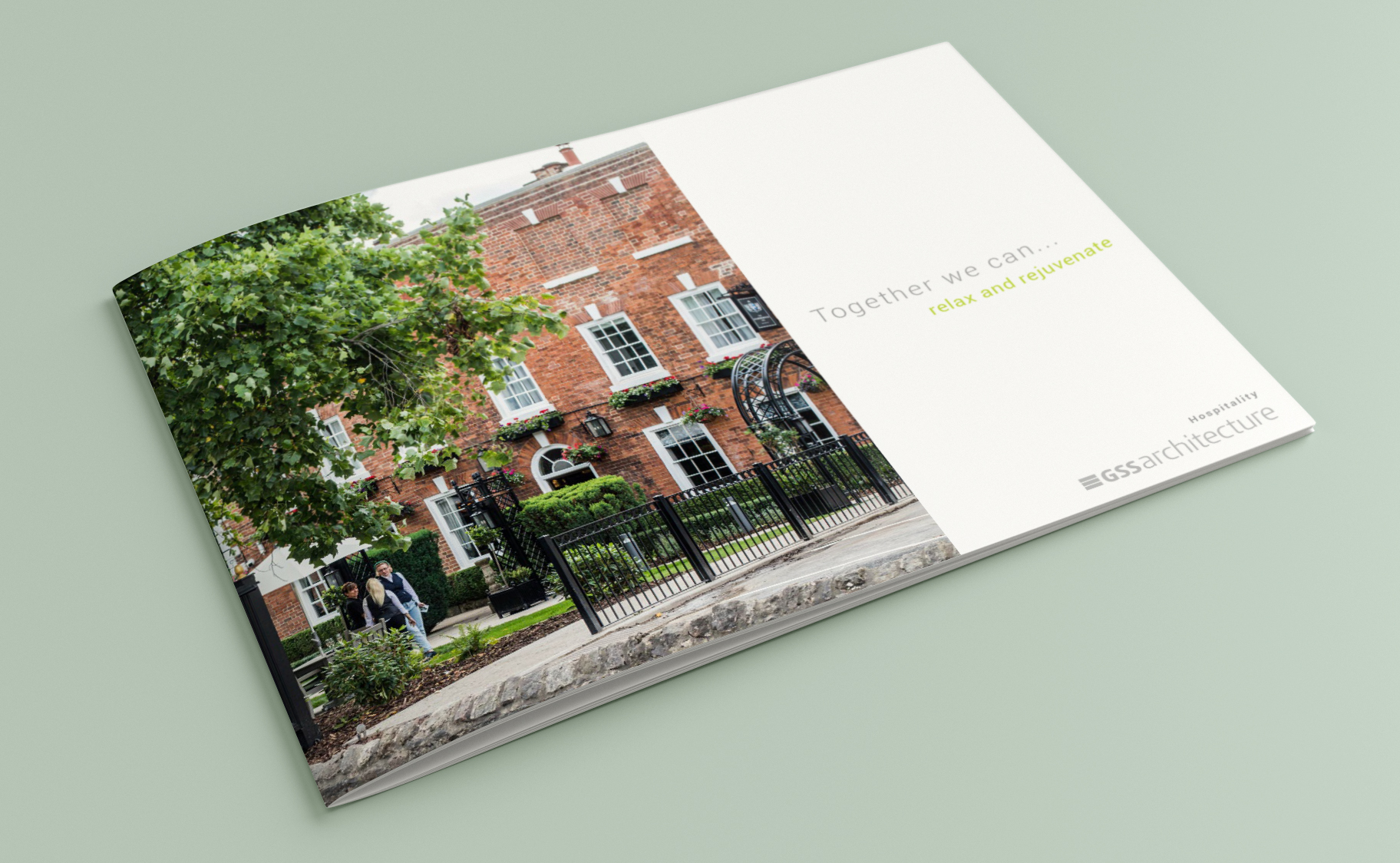
If you would like to find out more about GSS’ experience within the hospitality sector please view our Hospitality brochure here.
Written by Simon Rennison-Rae, Partner at GSSArchitecture.
Contributions from:
Sean Donkin, The Inn Collection Group
Kyle Mackings, Kymel